
Opinion Piece on Draft Zero Adoption: ATR Tech Perspective
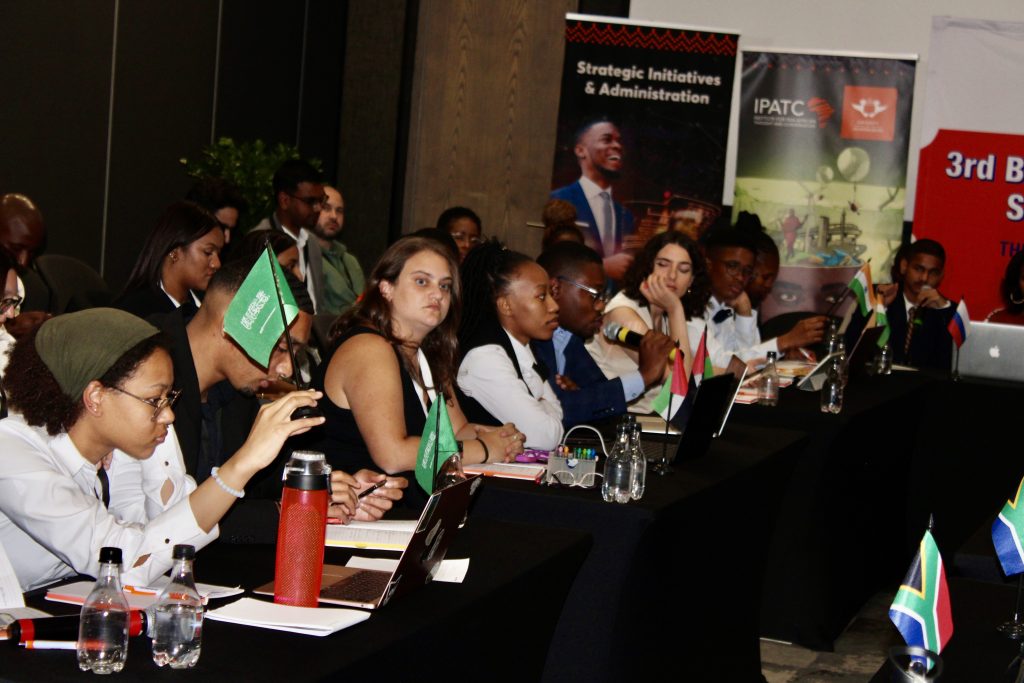
Author : Lesibana Daniel Chokoe, BRICS Sherpa, UAE (BRICS Summer School South Africa 2024)
The BRICS Summer School 2024, held in Johannesburg, South Africa, marks a significant milestone in advancing our collective financial cooperation. As the Sherpa representing the UAE, I had the privilege of participating in the deliberations surrounding the Draft Zero of the agreement on Payment Systems and Financial Cooperation: The Use of Local Currencies among BRICS Member States. This groundbreaking document offers innovative strategies to reduce reliance on third-party currencies and to enhance the economic sovereignty of BRICS+ member states through the use of local currencies.
Implementation from an ATR Tech Perspective
A key factor in ensuring the successful implementation of the Draft Zero is the adoption of ATR (Automated Transaction Reconciliation) technologies. ATR provides the necessary capabilities to tackle the challenges of integrating diverse financial systems, securing transactions, and ensuring operational efficiency among BRICS countries. From an ATR tech perspective, this initiative can be approached in several ways:
- Harmonizing Financial Systems: ATR can play a pivotal role in standardizing transaction processes across the different regulatory frameworks of BRICS member states. By automating reconciliation processes, ATR ensures that transactions, even across countries with varying currencies, are seamlessly processed, tracked, and reported. This will facilitate smoother regulatory compliance and minimize friction in cross-border transactions.
- Ensuring System Interoperability: The integration of financial systems is essential to realizing the goals of the Draft Zero. ATR technologies can handle the complexities of real-time currency conversions and fluctuating exchange rates while maintaining high levels of security and accuracy. This interoperability will be a cornerstone of the proposed BRICS Payment System, ensuring seamless transactions across borders.
- Managing Currency Volatility: The Draft Zero recognizes exchange rate volatility as a primary challenge in using local currencies. ATR’s sophisticated algorithms can integrate with mechanisms like currency swaps and foreign exchange hedging strategies. This automated system would reduce risks associated with currency fluctuations, making transactions more stable and predictable.
- Strengthening Transaction Security: ATR offers enhanced security through automation. With features like real-time monitoring, fraud detection, and alert generation for suspicious activities, ATR can safeguard the financial ecosystem. As trust is essential in cross-border transactions, particularly in the early stages of the BRICS Payment System, ATR’s security protocols are crucial for long-term success.
Why This Is the Best Solution
The adoption of local currencies and the creation of a BRICS Payment System represent a critical shift in global financial dynamics. The reliance on dominant third-party currencies, particularly the USD, often undermines the economic autonomy of nations. The Draft Zero proposes a bold alternative—one that enhances financial sovereignty and offers several benefits:
- Economic Sovereignty: Empowering BRICS nations to conduct trade and investments in local currencies frees them from the dependency on external monetary policies. This allows each country to maintain greater control over its economic future and insulate itself from external shocks.
- Cost Efficiency: Cross-border transactions often incur significant costs due to currency conversions and intermediary bank fees. The BRICS Payment System, powered by ATR’s automated reconciliation technology, would reduce these costs, making trade more accessible and attractive to member states.
- Fostering Innovation and Growth: The digital infrastructure that will underpin this financial system, such as digital payment platforms and clearinghouses, can encourage further technological innovation. ATR’s role in automating transaction reconciliation across borders will contribute to a more efficient and resilient system, supporting broader economic growth.
- Resilience in a Fragmented World: As geopolitical and economic divisions grow, it is crucial for BRICS nations to present a united front. The move toward local currencies not only supports regional economic resilience but also provides a counterweight to the dominance of existing financial structures. ATR, through its technical capabilities, will help ensure that this alternative system is both secure and efficient.
Overcoming Challenges
Despite the clear advantages, the transition to a local currency-based financial system is fraught with challenges. Aligning the financial infrastructures of member states with diverse economies, political landscapes, and regulatory environments will require a concerted, cooperative effort. However, by incorporating ATR as a technological backbone, BRICS nations can surmount these obstacles and establish a robust and stable system.
As the Sherpa representing the UAE, I am confident that the Draft Zero is the best solution for our shared economic future. The use of local currencies, supported by ATR technology, marks a transformative shift towards a multipolar financial system that reflects the growing influence of BRICS nations.
This collaborative effort is not just about economic reform—it is about building a resilient and sustainable global financial system. Through innovation, technology, and strong partnerships, BRICS can create an alternative that will benefit both our nations and the broader global community.
Lesibana Daniel Chokoe
BRICS Sherpa, UAE (BRICS Summer School South Africa 2024)